White rhinos are not spread across Kenya the way zebra or impala are. Poaching pressure through the 1970s and 1980s pushed the species into a small number of fenced, intensively guarded sanctuaries. That means your odds of seeing one depend heavily on which park or conservancy you choose, not just on luck.
This guide covers the sanctuaries where southern white rhinos actually live in reliable numbers, what each one costs to enter, and how far each sits from Nairobi. Touring Insights built the numbers below from published park and conservancy fee schedules; treat every price as an indicative range, since conservancies revise fees during the year.
Dry season months, roughly June through October and late December through February, tend to concentrate wildlife around permanent water and short grass, which helps rhino tracking too. Wet season visits still work well at fenced sanctuaries, since the animals are not migrating away.
Why Kenya Is a Stronghold for White Rhinos
Kenya’s most recent national rhino count, published by the Kenya Wildlife Service, puts the southern white rhino population at close to 900 animals, recovered from near zero in the country by the late 1960s. Nearly all of them live inside fenced or heavily patrolled sanctuaries rather than roaming open, unfenced parkland.
That fencing is the whole story. A ranger-to-rhino ratio that would be impossible across an open reserve becomes workable inside a 100 to 400 square kilometer enclosure. Ol Pejeta, Lake Nakuru, Lewa, and Solio Ranch account for most of the country’s white rhinos between them.
Kenya also holds the last two northern white rhinos on Earth, both female, both living under 24-hour guard at Ol Pejeta. They cannot reproduce naturally, but their presence has made Ol Pejeta a rhino-conservation landmark in its own right.
Ol Pejeta Conservancy: The Strongest Odds
Ol Pejeta sits between the Aberdares and Mount Kenya, about 200 km north of Nairobi, roughly a 3.5 to 4 hour drive, or a 45-minute flight into Nanyuki. The conservancy covers around 360 km2 and holds the largest black rhino sanctuary in East Africa alongside a substantial southern white rhino population.
Sightings here are close to guaranteed on a full-day visit because the rhino density is so high and tracking teams monitor individual animals daily. Ol Pejeta also runs a dedicated visit to Najin and Fatu, the two northern white rhinos, with proceeds supporting their care.
Indicative non-resident conservancy fee: roughly $90 to $100 per adult per day, plus a separate charge for the northern white rhino experience.
Lake Nakuru National Park: Rhinos Close to Nairobi
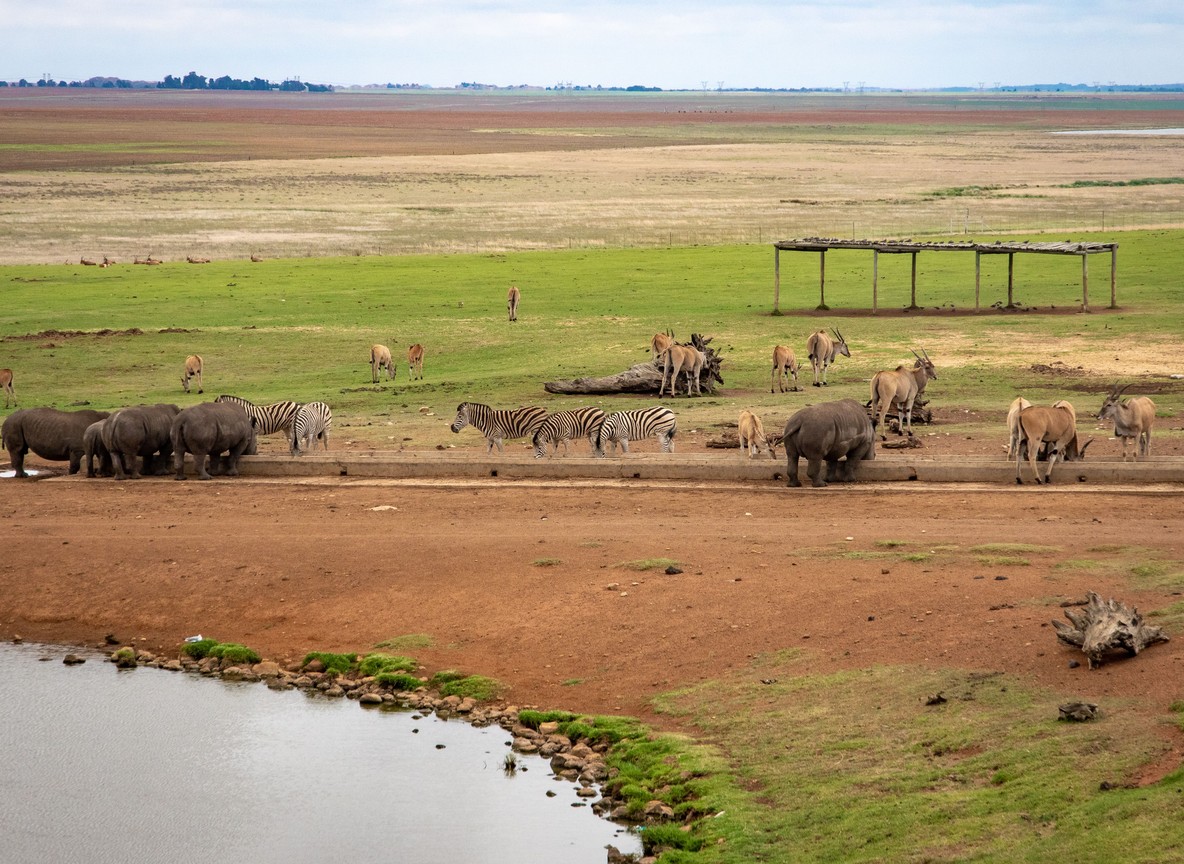
Lake Nakuru National Park is fully fenced and covers about 188 km2 around the soda lake itself. It has held rhino sanctuary status since the 1980s and now carries both black and southern white rhino populations in meaningful numbers.
It sits roughly 160 km from Nairobi, about a 2.5 to 3 hour drive on the improved highway through Naivasha. That makes it the most accessible white rhino sanctuary for travelers based in Nairobi or combining a rhino stop with a Great Rift Valley itinerary.
Indicative non-resident park entry fee: around $60 per adult per day.
Lewa Wildlife Conservancy: High Success, UNESCO Status
Lewa covers about 250 km2 on the eastern side of the Mount Kenya ecosystem and forms part of a UNESCO World Heritage Site alongside neighboring Ngare Ndare Forest. It holds one of Kenya’s largest concentrations of both black and white rhino, tracked individually by name.
Access is mainly by air, a roughly 45-minute flight from Nairobi’s Wilson Airport into Lewa Downs airstrip, or by road via Isiolo, around 4.5 hours from Nairobi. Lewa leans toward higher-end lodges, and most visits happen as part of a multi-night conservancy stay rather than a day trip.
Indicative non-resident conservancy fee: around $100 per adult per day, usually bundled into lodge rates.
Solio Ranch: Kenya’s Original Rhino Breeding Ground
Solio Game Reserve, a private sanctuary of about 72 km2 between the Aberdares and Mount Kenya, has bred rhinos since the 1970s and supplied founder animals to several other Kenyan sanctuaries, including Lake Nakuru’s original stock. Its rhino density is among the highest in the country.
Solio is not a standalone destination. Most visitors add a game drive here from a nearby lodge in the Aberdares or Mount Kenya region, usually a 30 to 60 minute drive from properties around Naro Moru or Nanyuki.
Indicative day-visit fee for non-residents staying nearby: roughly $50 to $70, often arranged through the lodge rather than paid at a gate. Staying overnight at Solio Lodge itself, rather than day-visiting from elsewhere, opens up a different way to see the rhinos entirely: guided walking tracking on foot with an armed ranger, following at a safe but genuinely close range rather than viewing from a vehicle.
Nairobi National Park and Meru: Rhinos Without a Long Drive
Two more options suit travelers with limited time. Nairobi National Park, just 7 km from the city center and about 117 km2 in size, holds both black and white rhino and can be visited in a half-day, even between flights at Jomo Kenyatta International Airport.
Meru National Park, about 280 km from Nairobi (roughly 5 hours by road, or a 45-minute flight to Kina airstrip), holds a fenced rhino sanctuary of about 84 km2 within the wider park where both species are protected. Sightings take more patience than at Ol Pejeta or Nakuru, since the surrounding park is large and unfenced.
Comparing Your Options
Most first-time visitors pair one high-odds sanctuary, such as Ol Pejeta or Lake Nakuru, with a second stop elsewhere on their route rather than visiting every location on this list. The table below lines up size, distance, cost, and viewing odds so you can weigh the tradeoffs quickly.
| Sanctuary | Size | Distance from Nairobi | Entry fee (indicative, non-resident) | Rhino viewing odds |
|---|---|---|---|---|
| Ol Pejeta Conservancy | ~360 km2 | 200 km / 3.5-4 hr drive, 45 min flight | $90-100/day | Very high |
| Lake Nakuru National Park | ~188 km2 | 160 km / 2.5-3 hr drive | ~$60/day | High |
| Lewa Wildlife Conservancy | ~250 km2 | 45 min flight, or 4.5 hr drive | ~$100/day | Very high |
| Solio Ranch | ~72 km2 | 3-3.5 hr drive (via Nyeri) | $50-70/day visit | Very high |
| Nairobi National Park | ~117 km2 | Within city limits | ~$43/day | Moderate |
| Meru National Park | ~84 km2 sanctuary zone | 280 km / 5 hr drive, 45 min flight | ~$65/day | Moderate |
Explorer Notes: What Actually Improves Your Odds
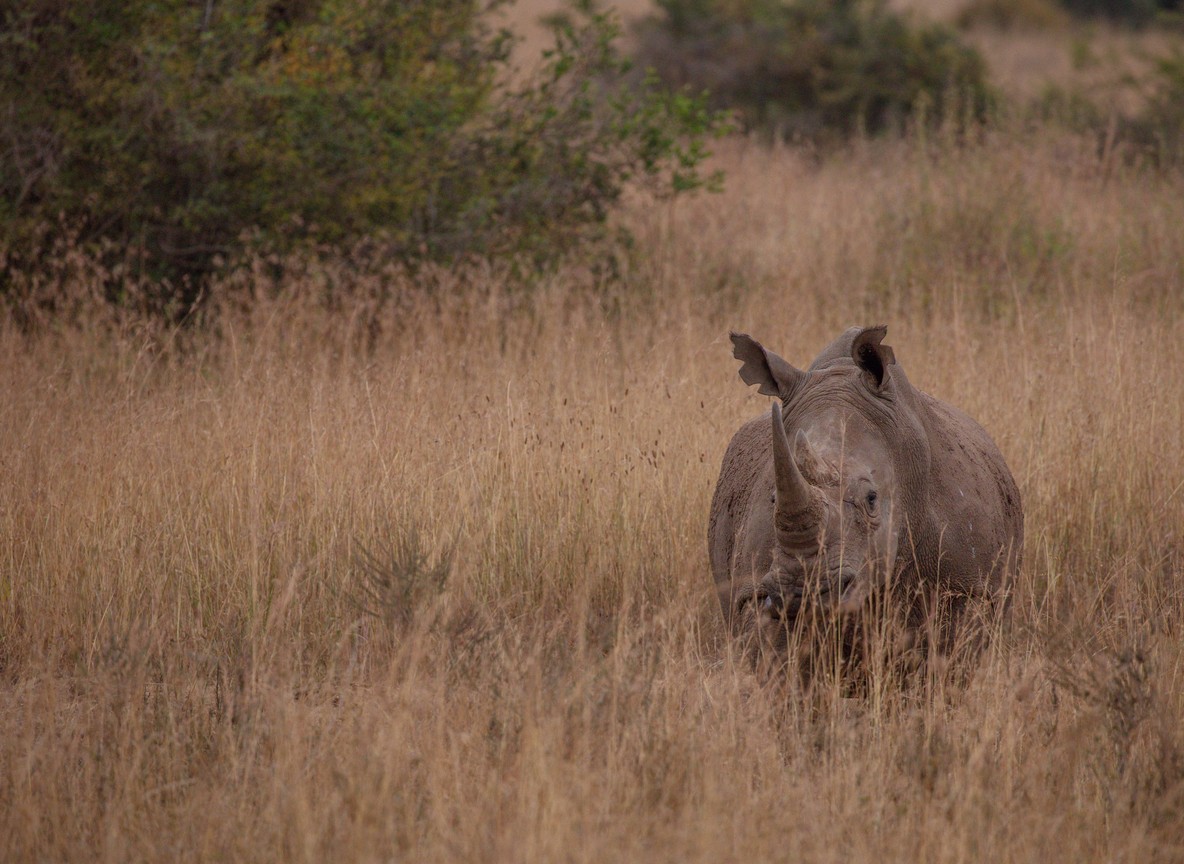
Rangers at both Ol Pejeta and Lewa track collared rhinos daily, and guides radio each other the moment a group is spotted. Ask your driver-guide at check-in whether the lodge has a standing arrangement with the conservancy’s monitoring team; it often shaves an hour off the search.
Early morning game drives, starting at first light, consistently outperform midday drives for rhino sightings across every sanctuary on this list. White rhinos graze heavily at dawn and dusk, then rest in thick cover once the sun is high.
Pack a longer lens or good binoculars even at Ol Pejeta and Nakuru. Rhinos graze in open grassland, but guides still keep a respectful 20 to 30 meter distance for the animal’s safety and yours.
If a northern white rhino visit matters to you, book it directly through Ol Pejeta in advance. The daily visitor slots are limited and the experience regularly sells out during peak July to September and December to January travel windows.
Frequently Asked Questions
Are white rhinos guaranteed on a Kenya safari? No sighting is ever guaranteed, but Ol Pejeta, Lewa, and Solio report near-daily sightings for guests who join a dedicated rhino tracking drive.
What is the difference between a black rhino and a white rhino? White rhinos have a wide, flat mouth built for grazing grass, while black rhinos have a pointed lip for browsing leaves and shrubs. White rhinos are also generally larger and more often seen in small groups.
Can I see the last two northern white rhinos in Kenya? Yes. Najin and Fatu live at Ol Pejeta Conservancy under armed guard, and the conservancy runs a paid visit that supports their care and the wider northern white rhino conservation program.
Which sanctuary is best for a day trip from Nairobi? Lake Nakuru National Park and Nairobi National Park both work well as day trips, with Nakuru offering stronger rhino density for the extra drive time.
Do I need a permit beyond the standard park fee to see rhinos? Most sanctuaries fold rhino viewing into the standard entry fee. The exception is Ol Pejeta’s northern white rhino visit, which carries its own separate charge.
Rhino conservation in Kenya is a long, patient project built by rangers, conservancies, and researchers over five decades. Seeing a white rhino grazing calmly in the open is a direct result of that work, not a lucky accident. If you want help building a route that includes one or more of these sanctuaries alongside the wider Mount Kenya or Rift Valley circuit, our Tour Packages page is a good place to compare itinerary options and see what a partner operator can put together for your dates.